
Page Not Found
The page you are looking for does not exist.
This page may have moved, been renamed, or no longer exists. Please use the navigation above to find what you need, or head back to the homepage.
This page may have moved, been renamed, or no longer exists. Please use the navigation above to find what you need, or head back to the homepage.
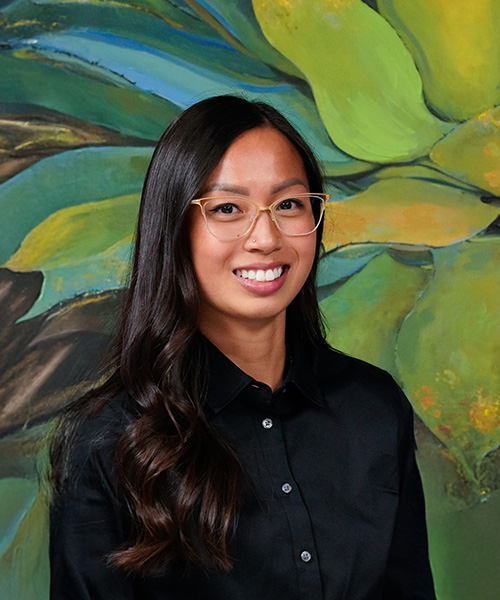
Mary Pham
Customer Service Manager
Mary joined the GreenEarth team in 2022 as an administrative assistant. She provides support as the bridge between our GreenEarth team and Affiliates. Mary is from Kansas City and enjoys spending time with her rescue dog, Benny, at local dog parks and dog-friendly restaurants.
This will close in 0 seconds
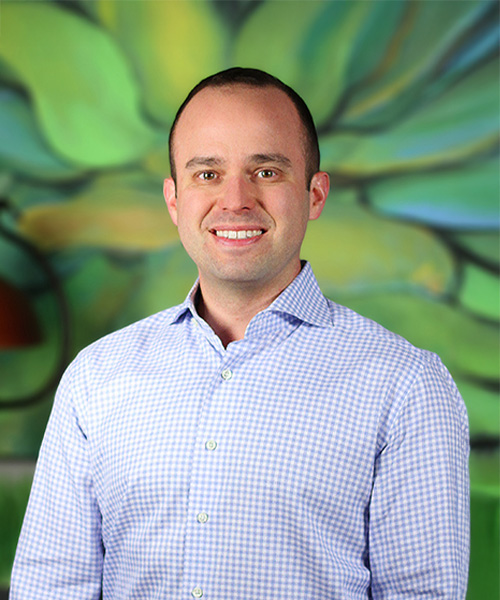
Andy Lien
Technical Director
Andy leads GreenEarth Cleaning’s technical operations, supporting Affiliates with equipment performance, process optimization, and complex troubleshooting. He provides technical guidance, oversees technical support initiatives, and ensures consistent, high-quality technical standards across the network.
This will close in 0 seconds
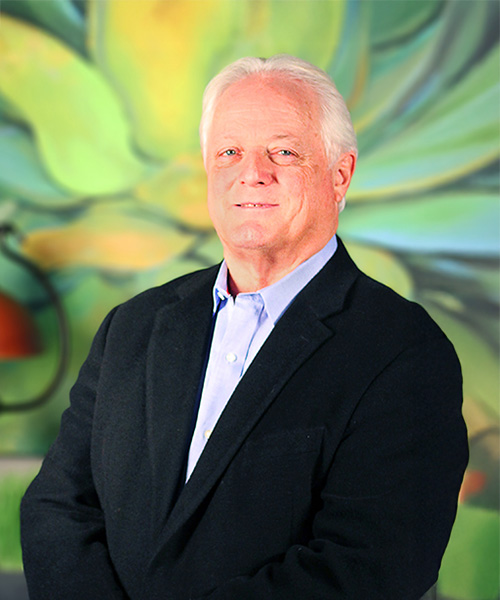
Kevin Burditt
Technical Support Representative
Kevin provides technical support to Affiliates by assisting with equipment performance, process optimization, and operational troubleshooting. With more than 30+ years of industry experience spanning plant management, equipment and plant design, and chemical applications, he supports Affiliates with informed guidance on complex operational and system-related challenges.
This will close in 0 seconds
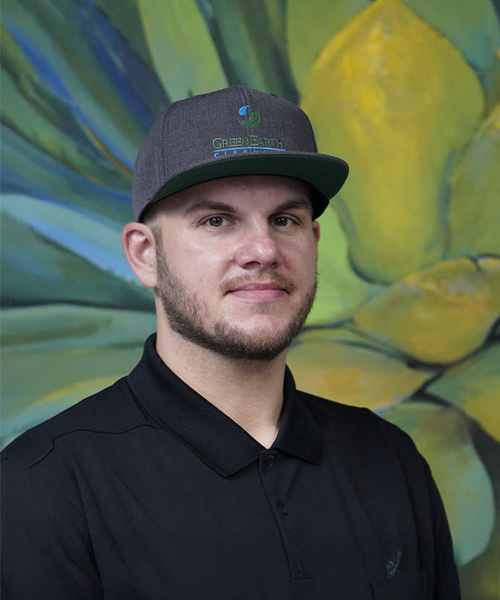
Mike Lee
Technical Support Representative
Mike provides technical support to Affiliates by diagnosing mechanical issues, assisting with repairs, and supporting overall system performance through phone and video consultations. With extensive hands-on mechanical experience and engineering training, he supports complex troubleshooting and operational efficiency.
This will close in 0 seconds
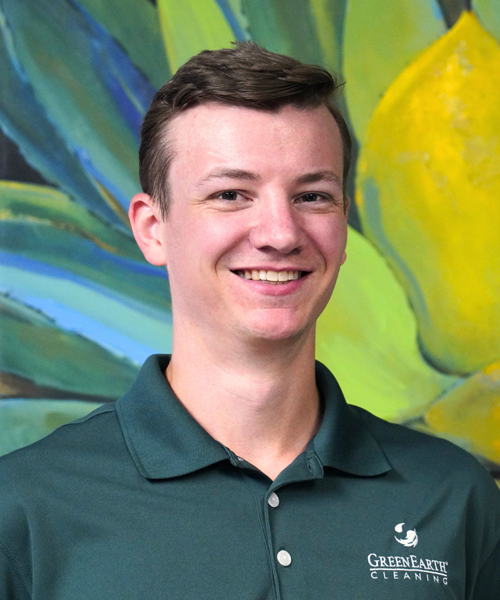
Corey Prochaska
Technical Support Representative
Corey provides technical support to Affiliates by troubleshooting machine issues, supporting equipment performance, and assisting with process optimization. Drawing on his background in manufacturing and automation, he helps resolve operational challenges and supports efficient day-to-day machine operation.
This will close in 0 seconds
Ryan Myers
Technical Support Representative
Ryan provides technical support to Affiliates by troubleshooting equipment issues, assisting with repairs, and supporting optimal machine performance through online and phone-based support. With extensive experience working on complex, precision systems, he supports efficient operation and reliable performance across a wide range of technical scenarios.
This will close in 0 seconds
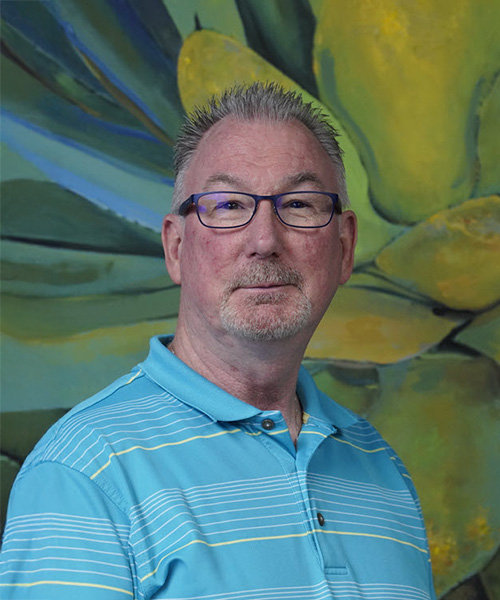
Scott Steele
Director of Licensing and Distribution
Scott oversees licensing operations and manages all incoming and outgoing product. In his role, he ensures accurate processing, compliance, and efficient distribution to support Affiliates and partners.
This will close in 0 seconds
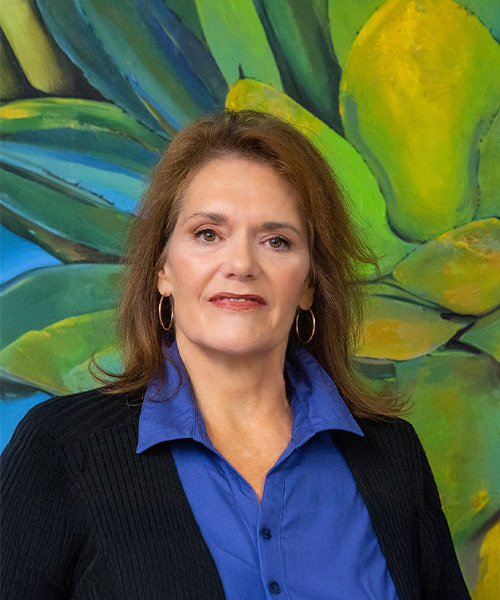
Angela Harris
Business Development Manager
Angela leads business development initiatives by identifying, onboarding, and supporting new GreenEarth Cleaning partners. She manages lead follow-up, builds strong partner relationships, and collaborates with Affiliates to support business growth, operational success, and market expansion.
This will close in 0 seconds
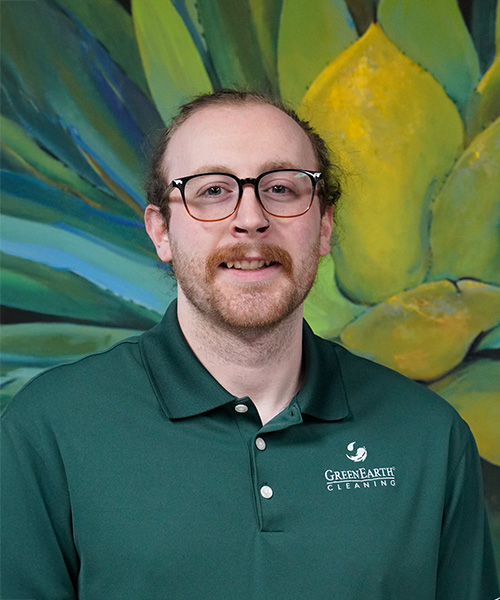
Colson Retherford
Warehouse Manager
Colson oversees warehouse operations including inventory management, retail and freight shipping, and quality control. He ensures products are accurately handled, stored, and distributed to support efficient operations and timely fulfillment.
This will close in 0 seconds
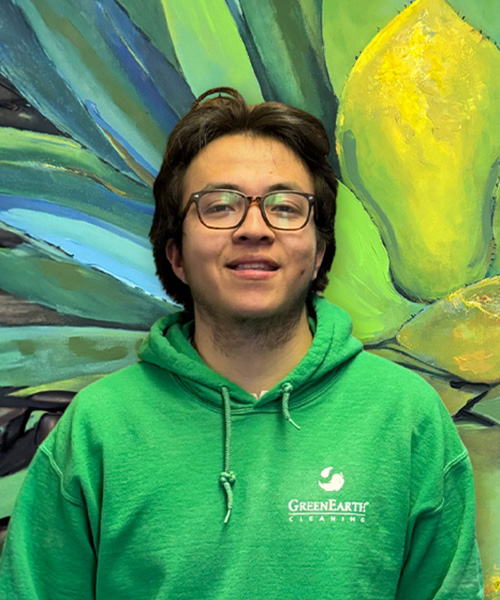
Joseph Huerta
Warehouse Team Member
Joseph supports production and shipping operations by fulfilling orders, handling materials, and ensuring products are accurately packaged, labeled, and prepared for distribution. He assists with shipping and receiving, operates warehouse equipment, and supports production-line activities while following safety and quality standards.
This will close in 0 seconds
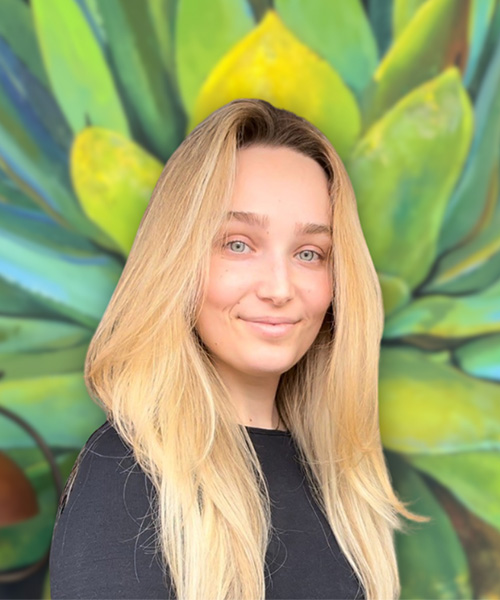
Erin Horne
Marketing Manager & Brand Manager
Erin works closely with Affiliates to build, strengthen, and promote their brand presence across multiple platforms. She supports marketing strategy and execution across social media, advertising, in-store materials, and digital campaigns. In addition to Affiliate support, Erin leads brand development, communication strategy, and creative direction for GreenEarth Cleaning, managing national campaigns, digital content, and initiatives that drive brand awareness across the professional garment care industry.
This will close in 0 seconds
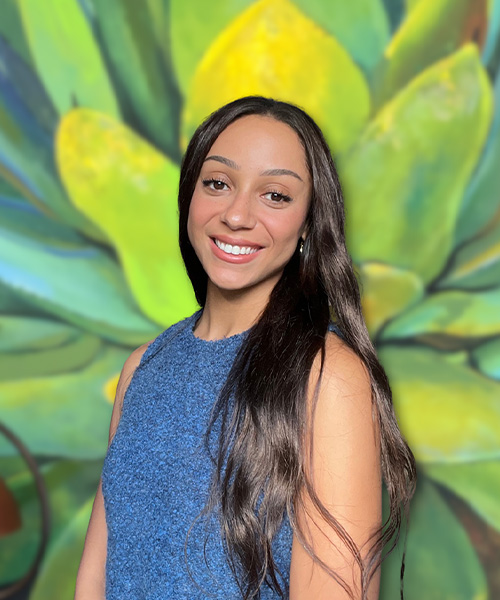
Ayanna Russell
Social Media Manager
Ayanna collaborates with Affiliates to provide social media support and guidance, helping them build and maintain a strong, consistent brand presence online. She assists Affiliates in navigating social platforms, creating engaging content, and connecting with audiences in a digitally driven world.
This will close in 0 seconds
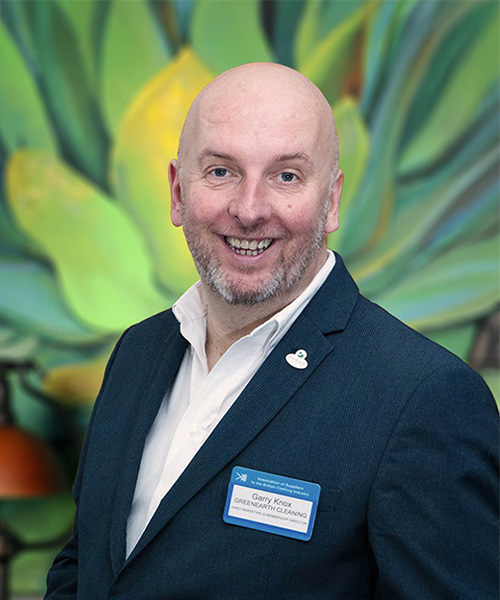
Garry Knox
Sustainability Director
Garry works with fashion brands, manufacturers, and fashion resellers to support their sustainable textile aftercare journey with GreenEarth Cleaning. Based in the UK, he also helps secure GreenEarth Cleaning recommendations on care labels and brand websites, strengthening visibility and alignment with sustainability goals.
This will close in 0 seconds

Tara Clark
Partnership Director
Tara builds strategic partnerships across the fashion ecosystem, with a core focus on developing relationships with fashion designers and retailers, driving education and engagement, and leading testing and pilot initiatives. Drawing on half a lifetime's experience in dry cleaning and retail, alongside extensive experience in the arts, not-for-profit and consultancy sectors, Tara connects commercial insight with creative and values-driven collaboration.
This will close in 0 seconds